We thought connecting one marketplace would be easy.
It wasn't.
Then we connected another.
That’s when we realized the real problem wasn't the API.
It was everything around it.
One marketplace wanted the product information one way.
Another wanted it differently.
Inventory changed in one place.
Orders appeared somewhere else.
A product that was perfectly valid on one platform could suddenly need completely different information on another.
And somewhere in the middle…
the seller was expected to keep everything in sync.
That didn't feel right.
So we started asking a different question:
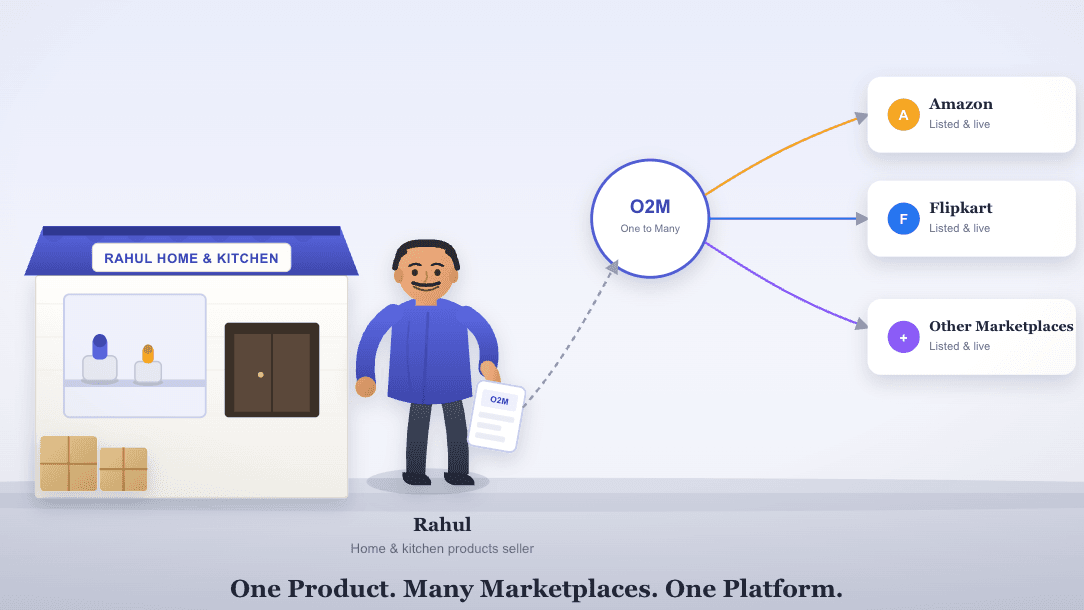
What if marketplaces were connected to the business — instead of the business constantly adapting to marketplaces?
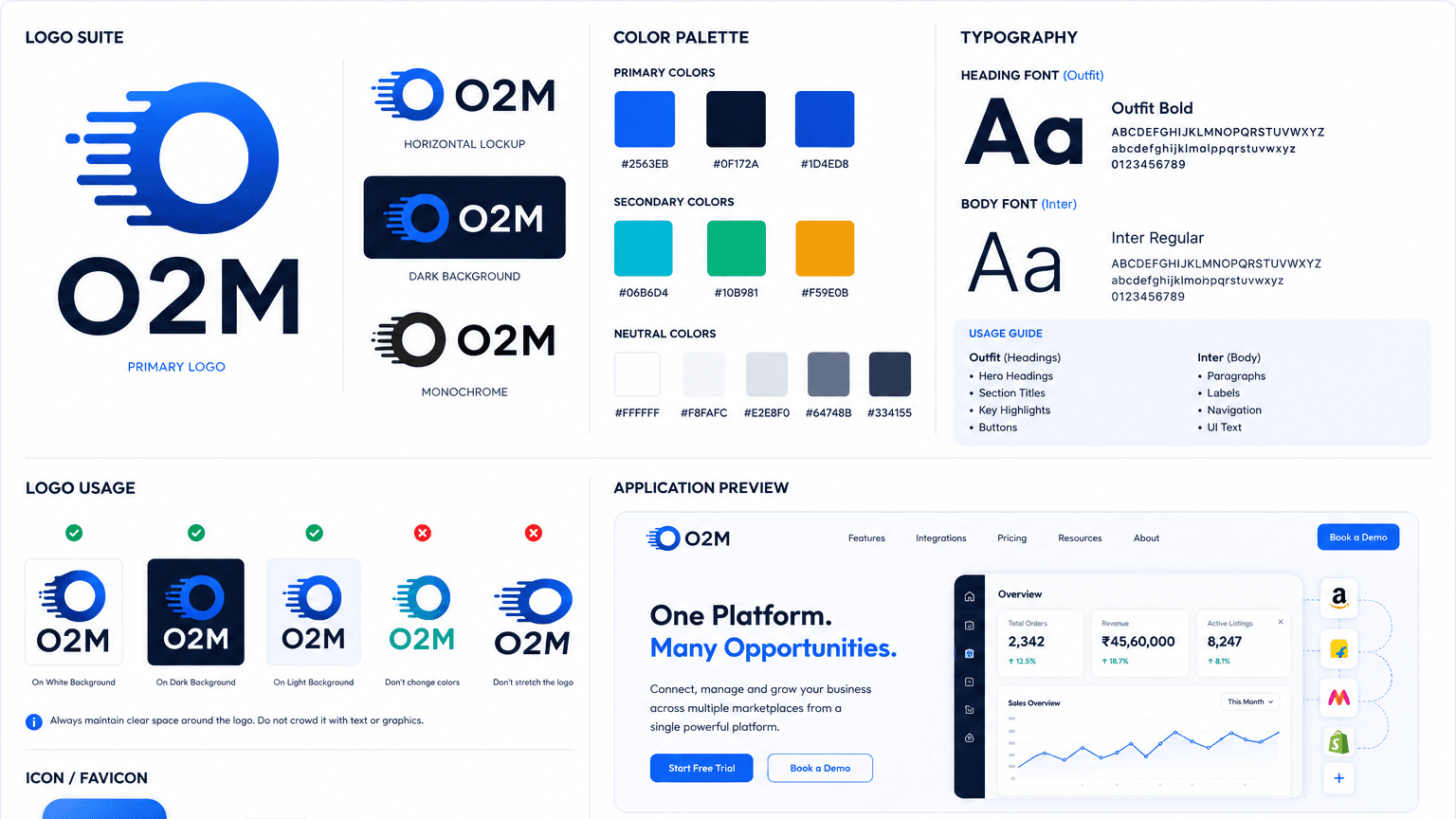
That question became O2M.
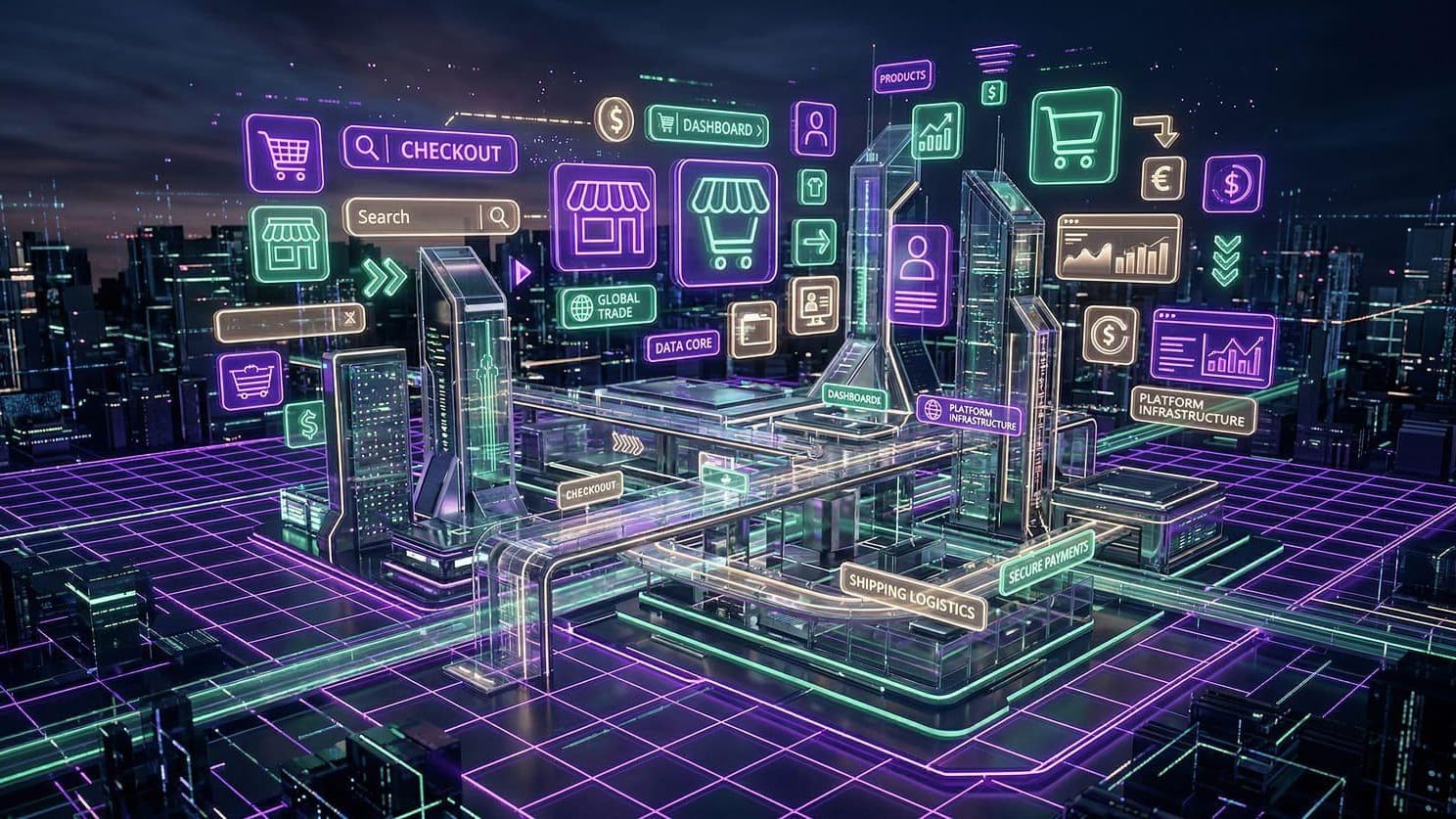
We started building an ecosystem where products, inventory, orders, listings and marketplace operations could work together instead of living in separate systems.
But then we discovered another challenge:
If we wanted O2M to work with 5 marketplaces, it couldn't be designed for 5.
It had to be designed for 50.
That changed the way we started building everything.
The architecture.
The integrations.
The data models.
The automation.
Even the way we think about a single product.
We're still building.
Still breaking things.
Still fixing them.
Still asking, “How do we make this simpler?”
Because that's the real goal.
Not to build another dashboard.
To make selling everywhere feel like selling in one place.
This is O2M.
And we're just getting started. 🚀